Common problems booking bulky waste collection St Johns Wood
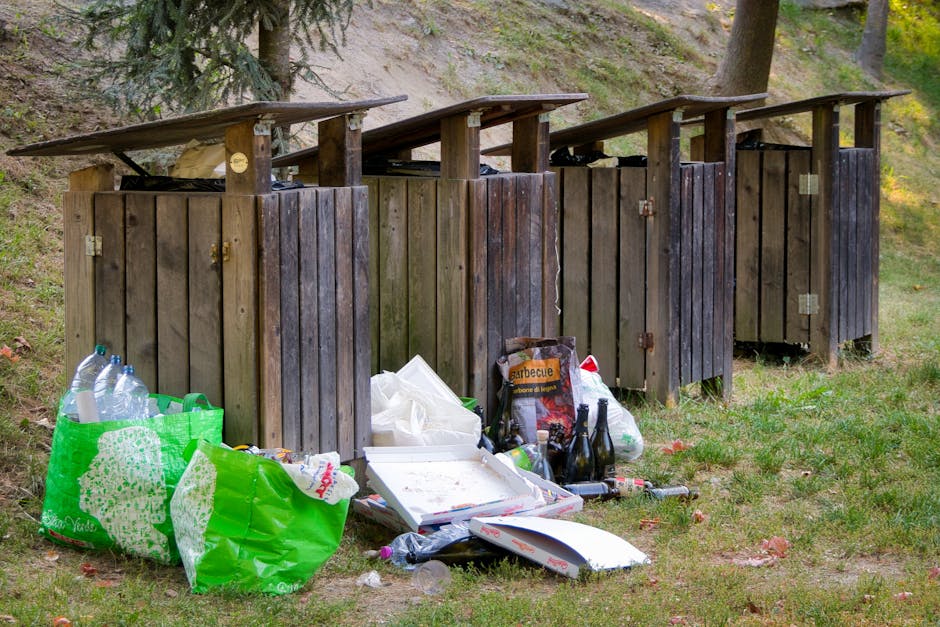
Booking bulky waste collection in St Johns Wood sounds simple enough at first. You have an old sofa, a broken wardrobe, maybe a fridge that has seen better days, and you just want it gone without the staircase drama or the last-minute back-and-forth. But in practice, the process can get awkward fast. Access can be tight, items may be heavier than they look, quotes can shift, and the wrong type of waste can hold everything up.
This guide looks at the common problems booking bulky waste collection St Johns Wood residents and landlords run into, why those problems happen, and how to avoid them. If you are comparing services, trying to plan around a move, or simply tired of bulky items taking over a hallway, this is written to help you make a cleaner, calmer decision. Truth be told, that clutter starts to feel bigger every day.
Why Common problems booking bulky waste collection St Johns Wood Matters
Bulky waste collection matters because the wrong booking can waste time, money, and a surprising amount of patience. In St Johns Wood, where flats, mansion blocks, mews properties, and busy residential streets often make access a little fiddly, those problems can be magnified. A collection that looks straightforward online may become awkward the moment someone realises the item has to come down two flights of stairs or through a narrow corridor.
The most common issues are not usually dramatic. They are small things that stack up: the item list is incomplete, the lift is too small, parking is awkward, or the team arrives and finds more waste than expected. That is where many people get caught out. And, to be fair, it is easy to underestimate how much planning a bulky collection actually needs.
For households, landlords, letting agents, and businesses, a failed or delayed collection can create knock-on problems. A move-out deadline may be missed. A refurbishment may stall. A hallway might stay blocked. A landlord might need a quick turnaround between tenancies. One sofa left in the wrong place can become the sort of thing everyone notices.
If bulky items are part of a wider clearance, it can help to think in terms of the full job rather than a single object. Services such as furniture disposal, house clearance, or home clearance can sometimes be more suitable than a simple one-item pickup, especially when there are mixed materials or several rooms involved.
Key takeaway: most booking problems are preventable if you describe the items properly, check access in advance, and choose the right service for the job rather than the cheapest headline price.
How Common problems booking bulky waste collection St Johns Wood Works
In practical terms, bulky waste collection is a collection service for large household or commercial items that are too awkward for ordinary bins. That usually includes sofas, beds, wardrobes, mattresses, tables, chairs, white goods, office furniture, and similar items. Some providers also handle garden, garage, builders, and loft contents, but the exact scope varies. That variation is where problems often start.
The process usually goes like this:
- You identify what needs removing.
- You request a quote or book a collection slot.
- You provide photos, access details, and item quantities.
- The crew attends, removes the items, and sorts them for reuse, recycling, or disposal.
Sounds easy. But the reality is more nuanced. If the booking form asks for "one sofa," and you actually have a sofa, footstool, armchair, and side table, the quote may no longer fit. If a lift is out of service, the collection might need extra labour. If an item contains hazardous components, it may not be accepted in the same way as standard furniture.
That is why a detailed description matters so much. In our experience, a good booking is less about being clever and more about being precise. Width, height, floor level, parking restrictions, and whether the item can be dismantled are all useful details. Even a quick note like "large corner sofa, first floor, no lift, tight stair turn" can save a lot of faff later on.
Some jobs sit close to other services. A loft full of old furniture may be better handled through loft clearance. A room full of mixed items after tenants move out may be better suited to flat clearance. A business clearing desks, chairs, and filing cabinets should usually look at business waste removal or office clearance.
Key Benefits and Practical Advantages
When bulky waste collection is booked properly, the benefits are obvious. You get space back, reduce the safety risk of leaving heavy items lying around, and avoid turning removal day into a last-minute scramble. But the practical advantages go a bit further than that.
- Cleaner planning: You can work around a move, renovation, or tenancy change without clutter slowing you down.
- Reduced lifting risk: Heavy or awkward furniture is one of those jobs that looks manageable until it is halfway round a corner. Then not so much.
- Less disruption: A pre-arranged collection is usually far easier than trying to organise ad hoc disposal on a busy London day.
- More responsible handling: Reputable teams will separate reusable, recyclable, and residual waste where possible.
- Better cost control: Clear item lists and access details help avoid surprise add-ons.
For people managing a property, the biggest win is often speed and predictability. A quick, organised collection can help you get a flat back onto the market, prepare a building project, or simply stop a garage from turning into a graveyard of broken furniture and old boxes. We all know that one garage. It starts with a chair and ends with three random lamps, a paint tin, and a mystery cable.
There is also a practical sustainability angle. If you choose a provider that prioritises sorting and recycling, more of the load may be diverted from disposal. That is not a magic trick, just a better system. If that part matters to you, it is worth reviewing the company's approach to recycling and sustainability.
Who This Is For and When It Makes Sense
Bulky waste collection makes sense for anyone who has large items but not the time, vehicle, manpower, or patience to remove them safely. In St Johns Wood, that tends to include a fairly mixed crowd.
- Homeowners replacing sofas, wardrobes, beds, or appliances.
- Flat dwellers dealing with access restrictions, lift issues, or awkward stairwells.
- Landlords and letting agents needing quick turnaround between occupancies.
- Estate managers clearing communal storage or abandoned items.
- Office managers disposing of desks, chairs, and old equipment.
- Trades and renovators who need mixed waste cleared after a project.
It makes sense when the items are too large for normal refuse, too heavy for one person to move comfortably, or too awkward to transport in a standard car. It also makes sense when time matters. You might be clearing before a decorator arrives on Monday morning, or trying to get a spare room usable again before guests turn up on Friday. Small timing pressures like that can make a huge difference.
For renovation-heavy jobs, a more specific route may be better. For example, builders waste clearance is more appropriate when the load includes rubble, timber offcuts, plasterboard, and packaging. For storage spaces that have become overloaded, garage clearance can be the neater option.
Step-by-Step Guidance
If you want the booking to go smoothly, a little preparation goes a long way. Here is the approach that tends to work best.
- List every item clearly. Count pieces separately. A three-seat sofa, chaise section, and matching footstool are not "just one sofa."
- Take simple photos. One wide shot and one close shot can help the provider judge size, condition, and access needs.
- Check access properly. Measure doors, hallways, lifts, stair turns, and any tight corners. If parking is awkward, mention it early.
- Separate special items. White goods, office equipment, and mixed waste may need different handling.
- Decide what stays and what goes. This avoids confusion on the day. Tiny detail, huge difference.
- Ask about timing and arrival windows. A realistic collection slot matters if you are working around cleaners, movers, or contractors.
- Confirm what is included in the quote. Labour, loading, sorting, and disposal should be understood before the team arrives.
If you are comparing quotations, it can help to review the provider's pricing and quotes information first. That way you know whether the price is likely to reflect item count, access difficulty, or waste type. Not every quote is built the same, and that is often where frustration creeps in.
One simple habit helps a lot: stand at the point where the item will leave the property and mentally walk the route backwards. Will a mattress need to twist around a stair rail? Will a wardrobe need dismantling? Is there enough room to pause and turn? That five-minute walk-through can save a truly annoying delay.
Expert Tips for Better Results
The following tips come from the kind of practical reality that only shows up when things get moved around in the real world, not just on a website.
- Over-explain access, not under-explain it. If the lift is unreliable or the street is narrow, say so.
- Be honest about condition. A damaged item can still be bulky, but it may affect how it is lifted or dismantled.
- Group similar items together. This makes loading faster and helps avoid missed pieces.
- Check whether the item can be reused. Some companies can route furniture more efficiently if it is still in decent shape.
- Keep the route clear on collection day. Shoes, plants, lamps, and doorstops have a funny habit of becoming obstacles right when you need them not to be.
- Ask about insurance and safety procedures. A careful provider should be able to explain how they manage lifting and site safety.
If you are clearing furniture specifically, it can also be worth looking at furniture clearance for larger mixed domestic loads, or furniture disposal if the main goal is to remove individual items cleanly and responsibly.
One more thing: if you are booking for an office, do not forget about hidden bulky items like filing cabinets, meeting tables, and old printers. Those are the items that somehow stay behind after everyone has focused on the obvious desks. It happens all the time.
Common Mistakes to Avoid
Most booking problems are caused by a handful of avoidable mistakes. Once you know them, they are easy to sidestep.
- Giving incomplete item details. "A few bits of furniture" is too vague to price accurately.
- Forgetting about access issues. Stairs, parking, and lift size matter more than people think.
- Mixing waste types without checking. Builders waste, garden waste, and office furniture may not be handled the same way.
- Assuming all bulky items are accepted. Some items need special handling, especially anything with hazardous components.
- Leaving everything to the last minute. That is how you end up packing in daylight, then realising the booking window has passed.
- Choosing on price alone. Cheapest is not always best if the quote is unclear or the service is limited.
A lot of headaches come from one simple thing: people book the collection they want, not the collection they actually need. If your load includes building rubble, old cupboards, and a broken washing machine, the job may sit across more than one service type. The neatest option is often to separate it properly before booking.
It sounds obvious, but it is worth saying anyway. The better the brief, the smoother the day.
Tools, Resources and Recommendations
You do not need specialist equipment to prepare for bulky waste collection, but a few ordinary tools can make the process much easier.
- Measuring tape: For checking doorways, stair widths, and item dimensions.
- Phone camera: For clear photos of the items and access route.
- Marker labels or tape: Useful if you are sorting items to keep, donate internally, or remove.
- Basic screwdriver set: Handy if furniture can be dismantled safely before collection.
- Cleaning cloths or dust sheets: Helpful if items are dirty or have been stored in a garage or loft.
From a service perspective, these pages can help you compare the wider picture and choose the right route for the job:
- waste removal for general mixed waste needs
- office clearance for workspaces and commercial settings
- garage clearance for overfilled storage areas
- loft clearance where bulky items are stored out of sight
If you value peace of mind around safety, it is worth reading the company's information on insurance and safety and its health and safety policy. That is the sort of detail people often skip, then regret later when something awkward needs carrying down a narrow flight of stairs.
Law, Compliance, Standards, or Best Practice
Bulky waste collection is not just about convenience. It also sits within a wider framework of safe handling, responsible disposal, and proper waste transfer. You do not need to become an expert in waste law to book a collection, but you should expect the provider to work professionally and responsibly.
As a customer, the sensible best practice is to use a service that can explain how items are handled, whether reuse and recycling are considered, and how safety is managed on site. If a company cannot clearly explain what happens to collected waste, that is a mild warning sign. Not necessarily a disaster, but worth paying attention to.
For mixed household or commercial waste, a reputable provider should be able to distinguish between ordinary bulky waste and items that may need more specific treatment. That is especially relevant for electricals, fridges, or anything with potentially hazardous material. You do not need to quote regulations back at anyone; you just need to know the service is set up to deal with the load properly.
Best practice also includes good communication. Clear pricing, clear access information, and clear expectations all reduce the chance of refusal on the day. If a business publishes straightforward terms, that usually helps. You can review the provider's terms and conditions alongside its approach to payment and security so you understand how the booking is managed.
One final point: if you are booking on behalf of a business, make sure the site contact knows what will be removed and where it is located. That small bit of coordination tends to prevent the "I thought that was staying" conversation. Nobody enjoys that one.
Options, Methods, or Comparison Table
Not every bulky item removal needs the same method. The best option depends on item type, access, urgency, and whether the load is mixed. Here is a simple comparison to help you think it through.
| Option | Best for | Main advantage | Possible drawback |
|---|---|---|---|
| Single bulky item pickup | One sofa, bed, mattress, or appliance | Simple and quick | Can become poor value if more items are added late |
| Furniture clearance | Several household furniture items | Better for mixed furniture loads | May be more than you need for one item |
| Flat clearance | Tenancies, end-of-lease clearances, or complete room emptying | Efficient for full-property jobs | Needs clearer planning and access details |
| Office clearance | Desks, chairs, cabinets, and business equipment | Suitable for commercial spaces | May require building access coordination |
| Waste removal | Mixed loads with more than one waste type | Flexible and broad | Less specific if you already know the exact item type |
If the job involves just one or two items, a targeted furniture or waste collection may be enough. If the property is fuller than expected, a broader clearance route can be more cost-effective and less stressful. Sometimes the simplest answer is the right one, but not always. Life loves a curveball.
Case Study or Real-World Example
Imagine a small first-floor flat in St Johns Wood with a three-seat sofa, a broken dining table, and two bulky armchairs. The resident has been putting the booking off for weeks because the hallway is tight and the lift is narrow. Then moving day suddenly looms. Now it is urgent, the route is awkward, and the clock is ticking. Classic.
The collection goes smoothly only after the resident sends accurate photos, confirms there is no lift access, and mentions the stair turn on the landing. The provider arranges enough time for manual carrying, and the items are removed without any nasty surprises. No drama, no unfinished attempt at lifting the sofa by one end and hoping for the best.
Now compare that with a less careful version of the same booking. The customer says "just a sofa and a couple of chairs," but forgets the table, the footstool, and the fact that the sofa is a heavy corner unit. The crew arrives expecting a light domestic collection, and the day gets slower, more expensive, and more awkward for everyone involved. That is the real cost of unclear booking. Not just money. Friction.
The lesson is simple: the more accurate the booking, the easier the removal. It really is that straightforward.
Practical Checklist
Use this checklist before you book or confirm your bulky waste collection:
- List every item to be removed.
- Check whether the items need dismantling.
- Measure doors, stairways, and lifts.
- Confirm parking or access restrictions.
- Separate bulky waste from builders waste, garden waste, and office items.
- Take clear photos from a few angles.
- Ask what is included in the price.
- Check if there are any special handling requirements.
- Make sure the route is clear on the day.
- Keep your booking confirmation and contact details handy.
If you want to check the provider's background before booking, the pages on about us and contact us can help you understand who you are dealing with and how to reach them if you need to clarify something.
Get a free quote today and see how much you can save.
Conclusion
The most common problems booking bulky waste collection in St Johns Wood are usually not complicated. They are practical: unclear item lists, access difficulties, mismatched service types, and last-minute assumptions. The good news is that all of them can be managed with a bit of preparation and a sensible conversation before collection day.
If you take anything from this guide, let it be this: be specific, be honest about access, and choose the service that fits the real job rather than the one that merely sounds convenient. That approach saves time, avoids awkward surprises, and makes the whole thing feel far less stressful. And frankly, you have enough on your plate already.
Clear the clutter, keep the process simple, and give yourself one less thing to think about.
Frequently Asked Questions
What are the most common problems booking bulky waste collection in St Johns Wood?
The most common problems are inaccurate item descriptions, poor access planning, last-minute extra items, and choosing the wrong type of service for the load. Flats and mansion blocks can add stair or lift complications too.
How do I avoid surprise charges when booking bulky waste collection?
Give a full item list, mention all access issues, and ask what is included in the quote. Photos help a lot. If the provider knows exactly what to expect, surprise add-ons are less likely.
Can bulky waste collection handle furniture and appliances together?
Often yes, but not always under the same service rules. It depends on the provider and the item types involved. If your load is mixed, ask whether it is better handled as furniture clearance or broader waste removal.
What if my bulky item will not fit through the door?
Say so before booking. Many items can be dismantled, but not all of them. If the access route is tight, the provider may need extra time or a different approach.
Is it better to book one bulky item or several at once?
If you have a few items, booking them together is often more efficient than arranging separate visits. It can reduce disruption and may be better value than doing everything in stages.
Do I need to be at home for the collection?
Usually yes, or at least someone responsible should be available if access, parking, or item identification needs to be confirmed. That avoids confusion when the team arrives.
What items are usually not suitable for standard bulky waste collection?
Items with hazardous components, heavily contaminated materials, or unusual waste streams may need special handling. If you are unsure, describe the item clearly and ask before you book.
How far in advance should I book bulky waste collection?
As soon as you know the items are ready to go. If you are working to a move-out or renovation deadline, booking early gives you much more control over timing.
Is bulky waste collection a good option for office furniture?
Yes, but office furniture is often better handled through office clearance or business waste removal, especially if there are desks, cabinets, monitors, or mixed commercial items involved.
What should I do before the collection team arrives?
Clear the access route, separate the items, and make sure any dismantling that you have agreed has been done safely. A tidy route makes the whole job quicker and safer.
Can bulky waste collection support recycling and reuse?
It often can, depending on the provider and the condition of the items. Reusable furniture may be diverted away from disposal where possible, which is why sustainability policies are worth checking.
Where can I find more information about prices and booking confidence?
Review the provider's pricing and quotes, payment and security, and terms and conditions information so you know how the booking works before you commit. That bit of homework pays off.